
Smartphone cameras have become remarkably sophisticated in 2026. The biggest advances are no longer simply about adding more megapixels. Instead, flagship phones are combining larger sensors, better lenses, optical stabilisation, faster autofocus, dedicated telephoto cameras and increasingly sophisticated computational photography.
That matters because a 200MP camera does not automatically produce better photos than a 50MP camera. Sensor size, lens quality, image processing, HDR, autofocus and shooting conditions can have just as much influence on the final image.
Best Camera Phones 2026: Quick Comparison
| Phone | Main Camera | Telephoto | Ultrawide | Best For |
|---|---|---|---|---|
| OPPO Find X9 Ultra | 200MP, 1/1.12″, f/1.5 | 200MP 3x + 50MP 10x | 50MP | Photography |
| Samsung Galaxy S26 Ultra | 200MP, 1/1.3″, f/1.4 | 10MP 3x + 50MP 5x | 50MP | Zoom & versatility |
| Xiaomi 17 Ultra | 50MP, 1-inch, f/1.67 | 200MP variable 75–100mm | 50MP | Photography enthusiasts |
| vivo X300 Ultra | 200MP, 1/1.12″, 35mm | 200MP 85mm | 50MP | Telephoto & video |
| Google Pixel 11 Pro XL | 50MP, 1/1.3″, f/1.68 | 48MP 5x | 48MP | Computational photography |
📌 Read more:
- Best Smartphones for Students in 2026: Battery, Performance, Camera and Value
- Xiaomi 18 Pro vs Xiaomi 18 Pro Max: Price, Specifications, Features and Full Review
- Apple Event iPhone 18 Pro and iPhone 18 Pro Max, iPhone Duo & Apple Watch Series 12, Apple Watch Ultra 4 and AirPods 5.
- POCO F9 Ultra Price, Specifications, Features and Full Review
- Best Camera Phones 2026: Top 5 Phones for Photography and Video
- Best Phones With 8000mAh Battery in 2026
1. OPPO Find X9 Ultra – Best Overall Camera Phone
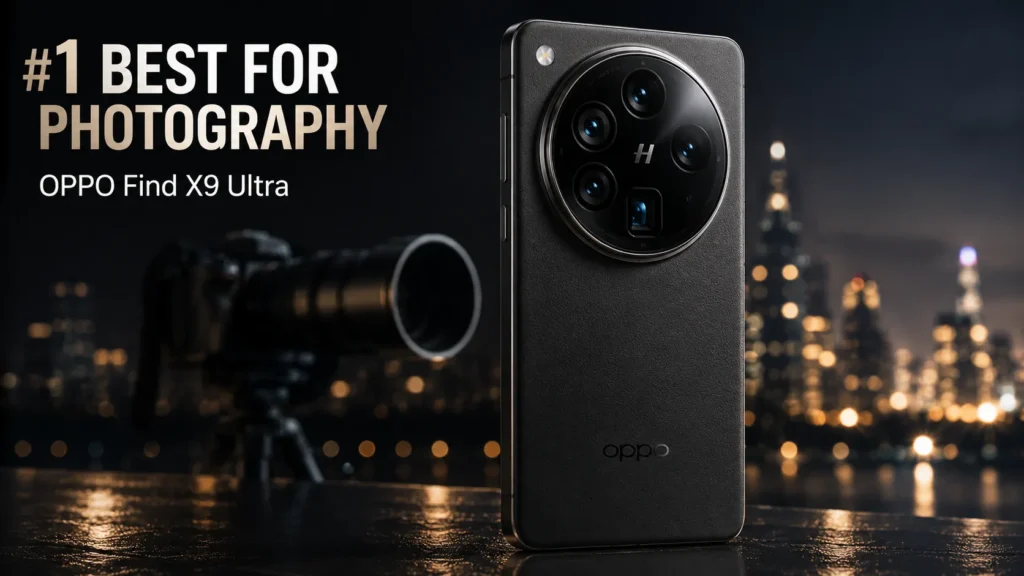
The OPPO Find X9 Ultra takes the most aggressive hardware approach in this group. Its rear system combines a 200MP main camera, a 200MP 3x portrait telephoto, a 50MP 10x optical telephoto and a 50MP ultrawide. OPPO also co-developed the imaging system with Hasselblad.
Camera hardware
The 200MP main camera uses a large 1/1.12-inch sensor with an f/1.5 aperture, OIS and a 23mm equivalent focal length. The 3x portrait camera uses another 200MP sensor, this time at 70mm with a large 1/1.28-inch sensor and f/2.2 aperture.
The standout feature is the 50MP 10x optical telephoto at 230mm. Unlike phones that rely heavily on digital magnification at extreme distances, the Find X9 Ultra has dedicated long-range optical hardware built into the phone.
Photo quality and portraits
The combination of large sensors and Hasselblad colour tuning gives the Find X9 Ultra a photography-first character. Independent reviews have highlighted its strong detail, dynamic range, colour and low-light performance.
The 3x 200MP telephoto is particularly interesting for portraits because its focal length provides natural subject separation while retaining substantial detail.
Zoom and night photography
This is where OPPO has a major hardware advantage. Its 10x optical camera provides a genuinely long native focal length, while OPPO advertises up to 20x optical-quality and 120x digital/super zoom.
The large main sensor and wide f/1.5 aperture also give it strong hardware for night photography, although final results still depend on exposure, movement and image processing.
Video
The phone supports 8K at 30fps and 4K at up to 120fps, including Dolby Vision and professional video modes.
Who should buy it?
Choose the Find X9 Ultra if photography is your highest priority and you want a phone with unusually capable native zoom hardware.
Main limitation: It is a large, expensive flagship, and availability is not identical across every global market.
2. Samsung Galaxy S26 Ultra – Best Camera Phone for Zoom
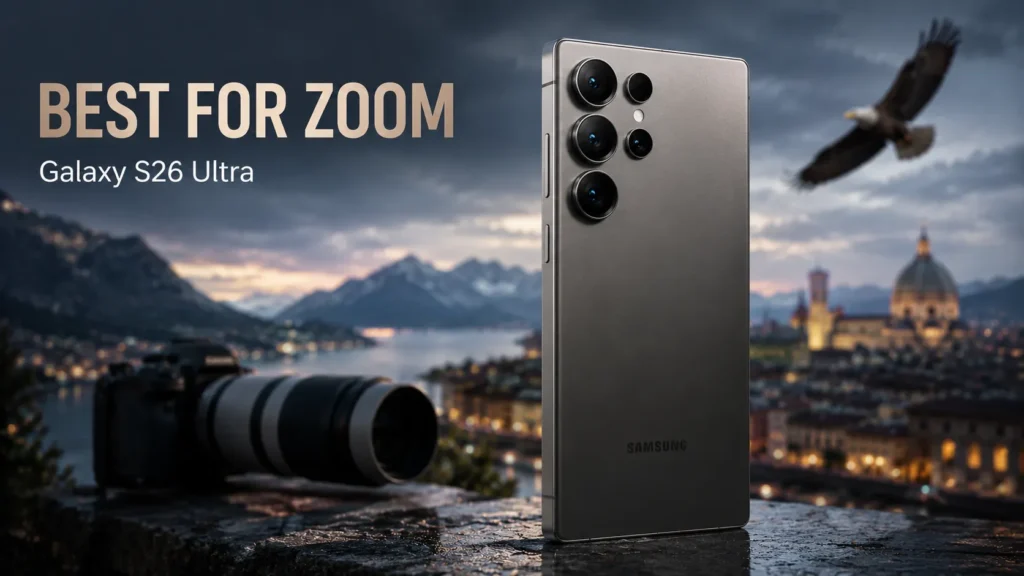
The Samsung Galaxy S26 Ultra remains one of the most versatile best camera phones 2026. Samsung uses a 200MP main camera alongside a 50MP ultrawide, 10MP 3x telephoto and 50MP 5x telephoto. It also offers 2x and 10x optical-quality zoom and up to 100x Space Zoom.
Camera hardware
The 200MP main sensor has an f/1.4 aperture and OIS. The 50MP telephoto provides 5x optical zoom, while the dedicated 10MP camera covers 3x optical zoom.
This multi-camera approach makes the S26 Ultra extremely flexible. You can move from ultrawide landscapes to 3x portraits and 5x distant subjects without depending on a single camera.
Zoom
Samsung’s biggest strength is versatility rather than simply claiming the highest magnification. The combination of 3x and 5x optical cameras makes it useful for travel, architecture, concerts, wildlife and portraits.
Independent comparisons have found that OPPO can have an advantage at very long focal lengths, but Samsung remains highly competitive and offers a more familiar globally available flagship experience.
Low light and video
The wider apertures and Samsung’s ProVisual Engine are designed to improve low-light photography and video. The phone supports 8K recording at 30fps, while its video system adds features such as Horizon Lock and professional recording options.
AI camera features
Samsung also puts considerable emphasis on AI-assisted editing, including prompt-based Photo Assist features.
Who should buy it?
The S26 Ultra is particularly attractive if you want one phone that can handle almost every type of photography.
Limitations: Its 3x telephoto hardware is less ambitious than the dual-telephoto systems found on some Chinese Ultra flagships, and some competing phones offer larger sensors.
3. Xiaomi 17 Ultra – Best for Photography Enthusiasts
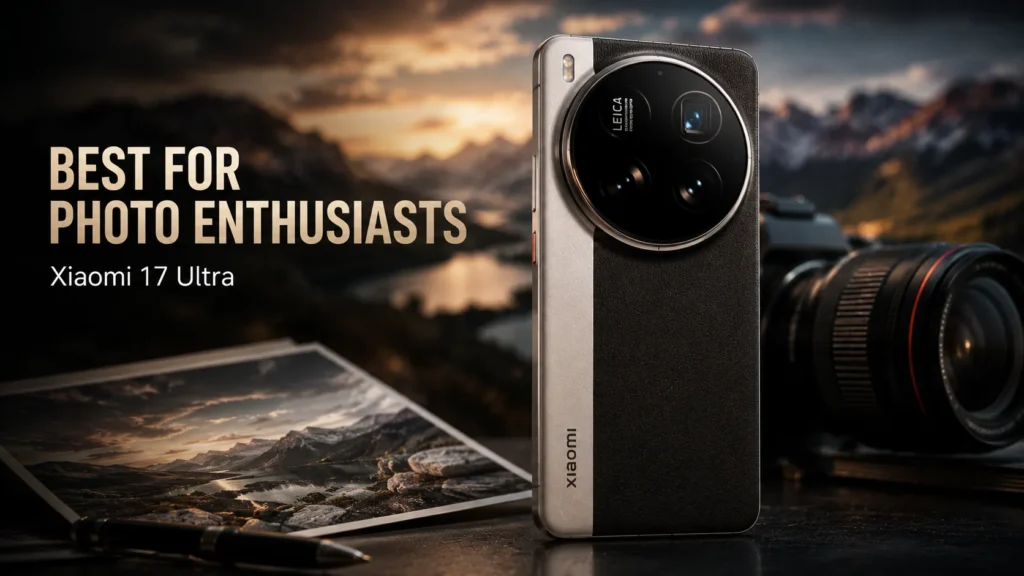
The Xiaomi 17 Ultra takes a different approach. Instead of relying on multiple conventional telephoto cameras, Xiaomi combines Leica optics with a large 1-inch-class main sensor and a 200MP telephoto with a variable 75–100mm equivalent range.
Main camera and Leica imaging
The 50MP main camera uses a 1-inch sensor, f/1.67 aperture and OIS. Xiaomi pairs it with Leica Summilux optics and LOFIC HDR technology.
This is a compelling combination for photographers who care about sensor size, optical character and manual control rather than megapixel numbers alone.
Telephoto and variable zoom
The 200MP telephoto covers approximately 75–100mm and supports optical-level zoom across its range. Xiaomi also provides 30cm telephoto macro capability and up to 120x digital zoom.
The mechanical zoom system is one of the phone’s most unusual features, and independent testing has highlighted it as a major part of the phone’s photography appeal.
Pro photography
Photography enthusiasts get RAW support, Pro mode, Leica photographic styles, focus tracking and other controls. The phone can also capture 8K video at 30fps and 4K Dolby Vision at up to 120fps.
Limitations
The Xiaomi 17 Ultra is primarily a still-photography-focused flagship. Independent review coverage has noted that its ultrawide camera can be less impressive for low-light video than its other cameras.
Who should buy it? Photographers who enjoy experimenting with focal lengths, manual controls, Leica colour profiles and RAW capture will find a lot to like here.
4. vivo X300 Ultra – Best for Telephoto Photography and Video
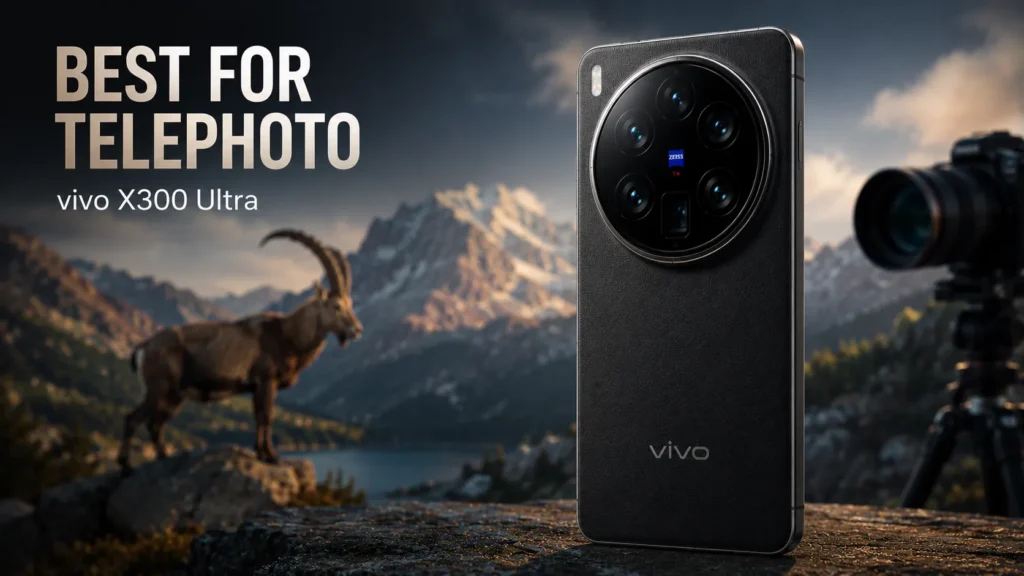
The vivo X300 Ultra is arguably the most camera-like phone in this group. Its system uses a 200MP 35mm main camera, a 200MP 85mm telephoto and a 50MP 14mm ultrawide, all with ZEISS optics and OIS.
Telephoto photography
The 200MP 85mm telephoto is the star. Its 1/1.4-inch sensor, OIS and gimbal-like stabilisation make it especially suited to portraits and distant subjects.
Optional ZEISS telephoto extenders can take the system considerably further, reaching 200mm and 400mm-equivalent focal lengths. These are accessories, however, rather than part of the phone’s built-in camera system.
Portraits and colour
ZEISS tuning is aimed at natural-looking colour, while the 85mm focal length is particularly useful for portraits. The 35mm main camera also gives the phone a documentary-style perspective that differs from the more conventional 23–24mm main cameras used by many rivals.
Video
Video is one of the X300 Ultra’s biggest strengths. vivo supports multi-focal 4K 120fps, 10-bit Log video, Dolby Vision, optical stabilisation and professional video controls.
Independent reviews have praised its video capabilities, particularly for users who want a more professional mobile filmmaking workflow.
Limitations
The biggest drawback is that getting the maximum telephoto capability may require additional accessories. The phone is also positioned firmly in the premium category, and regional availability varies.
5. Google Pixel 11 Pro XL – Best for Computational Photography
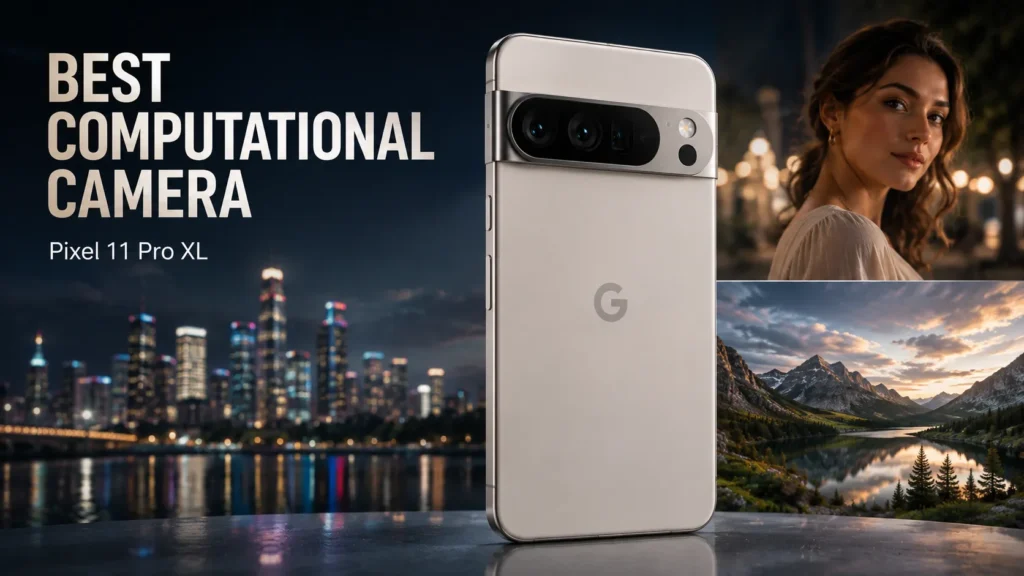
The Google Pixel 11 Pro XL proves that camera quality is not determined by hardware specifications alone.
Its triple rear camera includes a 50MP main camera with a 1/1.3-inch sensor, a 48MP ultrawide and a 48MP 5x telephoto. Google’s Tensor G6 processor and imaging models play a major role in turning this hardware into finished photos.
Point-and-shoot photography
The Pixel’s major advantage is computational photography. Features such as HDR processing, Night Sight, Real Tone, Face Unblur, Best Take and automatic editing allow the phone to handle complicated scenes without requiring the photographer to manually adjust settings.
Zoom and portraits
The upgraded 48MP 5x telephoto provides a significant step up in long-range hardware, while Portrait Mode is now available at 5x. Google’s Pro Zoom can reach 120x using computational processing.
Video
The Pixel 11 Pro XL supports 8K recording through Video Boost, 4K recording up to 60fps and features including Pro Stable Video and Night Sight Video.
Limitations
The Pixel does not have the same extreme optical hardware as OPPO or vivo. Its strength comes from the combination of competent hardware and Google’s computational processing.
Who should buy it? Anyone who wants consistently good photos with minimal effort and strong AI-assisted photography tools.
Read: Xiaomi Redmi Note 17 Pro (Global): Price, Specs & Full Review
Camera Comparison by Category
📸 Best Overall Camera
OPPO Find X9 Ultra – Its combination of a large main sensor, 200MP portrait camera and native 10x optical telephoto gives it an unusually complete photography system. Independent reviews have also rated it extremely highly.
🔭 Best Zoom
OPPO Find X9 Ultra – Its dedicated 10x optical telephoto gives it an advantage for very distant subjects.
🌙 Best Night Photography
Samsung Galaxy S26 Ultra – Samsung’s wider apertures, Nightography processing and strong low-light video capabilities make it a particularly dependable choice.
👤 Best Portrait Photography
OPPO Find X9 Ultra – The 200MP 3x portrait telephoto combines a large sensor, 70mm focal length and Hasselblad portrait processing.
🎥 Best Video
vivo X300 Ultra – Its 4K 120fps, 10-bit Log, Dolby Vision, multi-focal recording and professional controls make it especially compelling for video creators.
🤖 Best AI Camera Features
Google Pixel 11 Pro XL – Google’s camera software combines computational photography with tools such as Magic Capture, Camera Coach, Best Take, Photo Unblur and AI-assisted editing.
📷 Best for Photography Enthusiasts
Xiaomi 17 Ultra – Its 1-inch-class main sensor, Leica optics, variable telephoto, RAW and Pro controls make it particularly attractive to photographers who want more control.
Read: Best Phones for BGMI & Free Fire in 2026
What Makes a Best Camera Phones 2026?
Sensor size: Larger sensors can capture more light and generally provide greater flexibility, especially in difficult lighting.
Megapixel count: High resolution can help with cropping and fine detail, but more megapixels alone do not guarantee better images.
Optical image stabilisation: OIS helps reduce camera shake and is particularly useful in low light and video.
Autofocus: Fast, accurate autofocus is essential for moving people, pets, wildlife and video.
Telephoto hardware: A dedicated optical telephoto is usually more useful for distant subjects than simply increasing digital magnification.
Ultrawide camera: A good ultrawide matters for landscapes, architecture, groups and close-up photography.
Computational photography: HDR, multi-frame processing, noise reduction and AI algorithms can significantly change the final photograph.
Video: Look beyond resolution. Stabilisation, autofocus, dynamic range, frame rates, colour consistency and professional recording formats all matter.
RAW and Log: Enthusiasts and creators may benefit from RAW photos and Log video because they provide more flexibility during editing.
Ultimately, camera specifications are only part of the equation. The same sensor can produce very different images depending on lenses, processing algorithms and software tuning.
Read: Best ANC Earbuds of 2026: Top 5 Noise Cancelling Wireless Earbuds Compared
Best Camera Phone for Different Users
- Best for photography enthusiasts: Xiaomi 17 Ultra
- Best for extreme zoom: OPPO Find X9 Ultra
- Best for video: vivo X300 Ultra
- Best for point-and-shoot photography: Google Pixel 11 Pro XL
- Best for night photography: Samsung Galaxy S26 Ultra
- Best for travel photography: OPPO Find X9 Ultra
- Best all-rounder: Samsung Galaxy S26 Ultra
📌 Read more:
- Apple Event iPhone 18 Pro and iPhone 18 Pro Max, iPhone Duo & Apple Watch Series 12, Apple Watch Ultra 4 and AirPods 5.
- Apple iPhone 17 Series Features & Price in India 2025-26
- Best Camera Phones 2026: Top 5 Phones for Photography and Video
- Best Camera Phones Under ₹30K in 2026: Real Camera Comparison
- Best Phone Under ₹15000 in India (2026) – Top 10 Budget Picks
- Best Phones for BGMI & Free Fire in 2026: Smooth FPS, Zero Lag & Best Gaming Experience
Pros and Cons
OPPO Find X9 Ultra
Pros
- Exceptional multi-camera hardware
- 200MP main and portrait cameras
- Dedicated 10x optical telephoto
- Strong Hasselblad imaging features
Cons
- Expensive
- Availability varies by market
- Large and heavy design
Samsung Galaxy S26 Ultra
Pros
- Extremely versatile focal-length range
- Excellent 3x and 5x zoom options
- Strong low-light photography and video
- Excellent AI editing features
Cons
- 3x telephoto is less ambitious than some rivals
- Some competitors use larger camera sensors
Xiaomi 17 Ultra
Pros
- 1-inch-class main sensor
- Leica optics and imaging profiles
- 200MP variable telephoto
- Excellent Pro and RAW controls
Cons
- Ultrawide low-light video is weaker
- Premium pricing
- Software experience may not suit everyone
vivo X300 Ultra
Pros
- Two 200MP cameras
- Excellent 85mm telephoto
- ZEISS imaging system
- Strong professional video features
Cons
- Optional telephoto accessories add cost and bulk
- Very large camera system
- Availability differs by region
Google Pixel 11 Pro XL
Pros
- Excellent computational photography
- Strong HDR and Night Sight
- Powerful AI photography tools
- 5x telephoto and 120x Pro Zoom
Cons
- Less extreme optical zoom hardware
- Some advanced features rely heavily on computational processing
- Not aimed primarily at manual photographers
Read: How to Choose Best Smartphone in 2026
Final Verdict
There is no single camera phone that is perfect for every photographer. The OPPO Find X9 Ultra is the strongest photography-focused choice in this list because its hardware combines a large 200MP main sensor, a high-resolution portrait telephoto and a dedicated 10x optical camera. Recent independent comparisons have also placed it among the leading best camera phones 2026.
The Samsung Galaxy S26 Ultra is the better choice for someone who wants broad versatility, dependable zoom options and strong video features. The Xiaomi 17 Ultra is particularly compelling for enthusiasts who value its large sensor, Leica imaging and manual controls. The vivo X300 Ultra stands out for telephoto photography and professional video, especially when paired with its optional imaging accessories. The Google Pixel 11 Pro XL is the easiest recommendation for users who want excellent results without spending much time adjusting camera settings.
The best choice ultimately depends on what you photograph most. A wildlife photographer may value native optical reach, a portrait photographer may prefer a strong 3x or 85mm camera, while a video creator may care more about Log recording and stabilisation than megapixel count.
📌 Read more:
- Xiaomi Redmi Note 17 Pro (Global): Price, Specs & Full Review
- Xiaomi 18 Pro vs Xiaomi 18 Pro Max: Price, Specifications, Features and Full Review
- Xiaomi 17T Review: 5x Leica Zoom Cameras, 6500mAh Battery
- Xiaomi 17 vs iPhone 17 – कौन Best है? Full Comparison 2026
- Xiaomi 17 Series, Launch Date 2026, Price, Specs & Features
- Vivo V60e 5G: 200MP Camera, Top 6500mAh Battery at ₹29,999
Frequently Asked Questions
Q1. Which is the best camera phones 2026?
A1. The OPPO Find X9 Ultra is our best overall photography-focused pick, thanks to its combination of large-sensor hardware, dual 200MP cameras and dedicated 10x optical telephoto. However, the Galaxy S26 Ultra, vivo X300 Ultra, Xiaomi 17 Ultra and Pixel 11 Pro XL can be better choices for specific photography needs.
Q2. Which phone has the best zoom camera in 2026?
A2. The OPPO Find X9 Ultra is one of the strongest choices for long-range photography because it includes a dedicated 50MP 10x optical telephoto. Samsung’s Galaxy S26 Ultra remains highly versatile with dedicated 3x and 5x optical cameras.
Q3. Which phone is best for photography?
A3. For photography enthusiasts, the Xiaomi 17 Ultra is particularly attractive because of its large 1-inch-class main sensor, Leica optics, variable telephoto and Pro controls. For an all-in-one system, the OPPO Find X9 Ultra is another outstanding choice.
Q4. Which phone is best for low-light photography?
A4. The Samsung Galaxy S26 Ultra is a strong low-light option thanks to its wide-aperture cameras and Nightography processing. The OPPO Find X9 Ultra and Xiaomi 17 Ultra also have major hardware advantages for capturing light.
Q5. Which phone is best for video recording?
A5. The vivo X300 Ultra is particularly impressive for creators, with multi-focal 4K 120fps, 10-bit Log, Dolby Vision and professional video controls.
Q6. Is a 200MP camera better than a 50MP camera?
A6. Not necessarily. A 50MP camera with a larger sensor, better lens and stronger image processing can outperform a 200MP camera in many situations. Megapixel count mainly describes resolution; it does not independently determine overall image quality.
Q7. What should I look for in a camera phone?
A7. Look at the complete system: sensor size, lens quality, OIS, autofocus, telephoto hardware, ultrawide quality, HDR processing, low-light performance, video stabilisation, RAW/Log support and software features. Also consider how the phone performs in the types of scenes you photograph most often.
Disclaimer: Product prices, features, and specifications mentioned on this website may change without notice. Please check the official brand website or trusted retailers for the latest updates before making any purchase.
Related Posts
- Best Smartphones for Students in 2026: Battery, Performance, Camera and Value

- Xiaomi 18 Pro vs Xiaomi 18 Pro Max: Price, Specifications, Features and Full Review
- Apple Event iPhone 18 Pro and iPhone 18 Pro Max, iPhone Duo & Apple Watch Series 12, Apple Watch Ultra 4 and AirPods 5.

- POCO F9 Ultra Price, Specifications, Features and Full Review
- Best Camera Phones 2026: Top 5 Phones for Photography and Video
- Best Phones With 8000mAh Battery in 2026

- Google Pixel 11 vs Pixel 11 Pro vs Pixel 11 Pro Fold: Which Pixel Should You Buy?

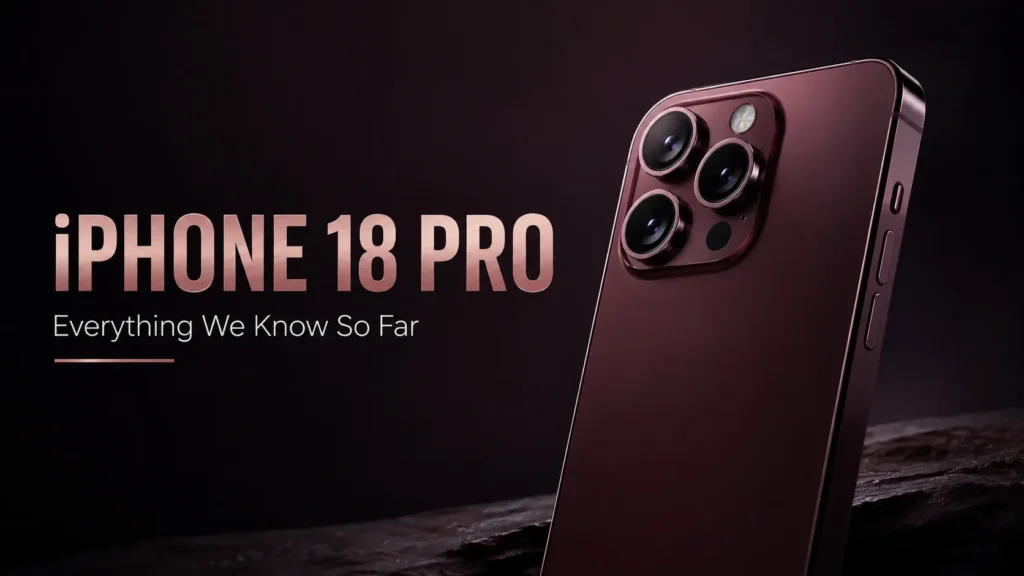
- iPhone 18 Pro Everything We Know So Far About Apple iPhone 18 Pro 2026
Latest Phone
- Lava Virat Curve 5G
 ₹20,999
 - OnePlus N6 Lite 4G
 ₹16,999
 - AI+ Nova 2 Power 5G
 ₹16,999
 - Google Pixel 11
 ₹89,999

Founder & Editor
Mohd Bilal is the Founder and Editor of GadiAurMobile, an independent technology and automotive publication covering smartphones, laptops, tablets, smartwatches, audio devices, cars, electric vehicles, buying guides, product comparisons, and technology news.
He researches and writes about consumer technology, new product launches, automotive developments, and emerging industry trends with a focus on providing accurate, practical, and easy-to-understand information for readers worldwide.
As Editor, Mohd oversees the editorial process, including topic research, information verification, content review, and regular article updates to ensure published information remains accurate and relevant. His work emphasizes transparency, reader-first journalism, and clear explanations that help consumers compare products and make informed purchasing decisions.
Before publication, articles are researched using official manufacturer announcements, product documentation, trusted industry sources, and other reliable references where appropriate. Content is regularly reviewed and updated as new information becomes available.
Through GadiAurMobile, Mohd aims to build a trusted technology and automotive resource that helps readers understand products, compare features, and stay informed about the latest developments in consumer technology and mobility.