
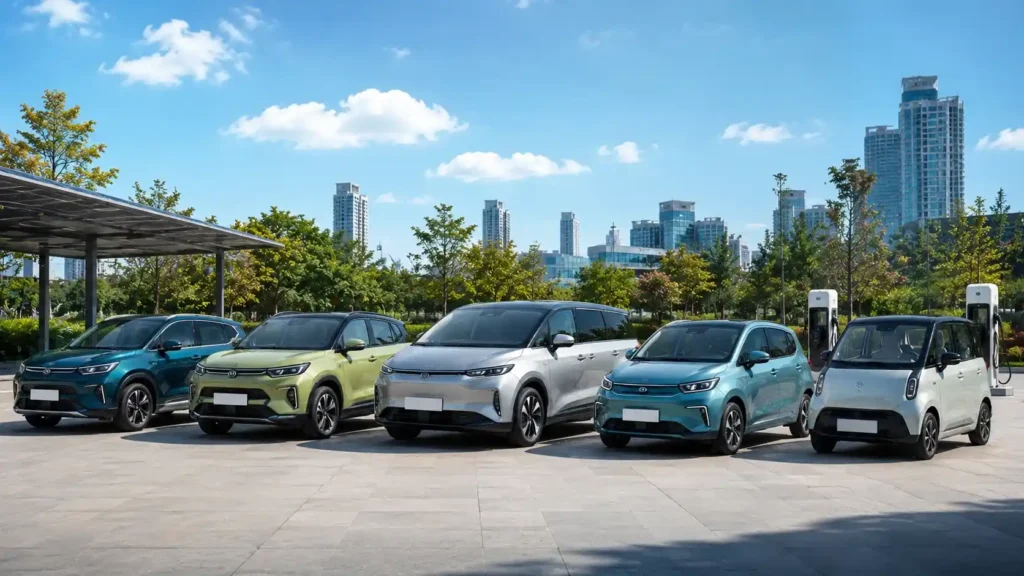
Electric vehicles (EVs) are no longer just an alternative to petrol and diesel cars-they have become a practical choice for millions of Indian buyers. With rising fuel prices, lower running costs, improved charging infrastructure, and government support, buying an EV in 2026 makes more sense than ever.
If your budget is below ₹20 lakh, you have plenty of excellent options. From compact city hatchbacks to spacious family SUVs, today’s affordable EVs offer longer driving ranges, better safety, connected technology, and faster charging than earlier generations.
However, choosing the right electric car isn’t only about finding the biggest battery or the longest claimed range. Daily driving needs, home charging availability, service network, ownership costs, and long-term reliability are equally important.
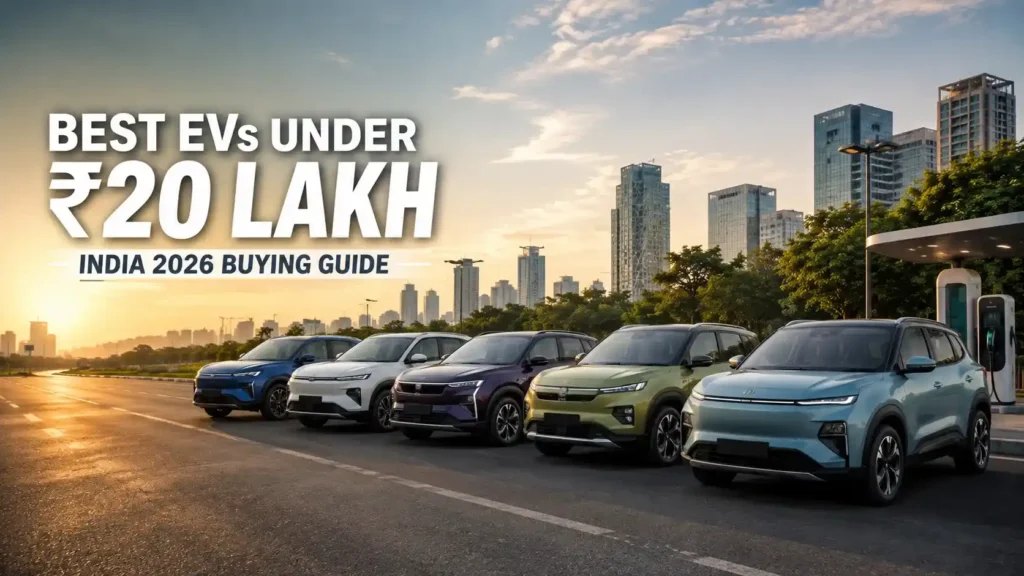
In this guide, we’ve compared the Best EVs Under ₹20 Lakh in India 2026 based on real-world practicality, value for money, safety, charging convenience, and overall ownership experience. Whether you’re a first-time EV buyer, a daily commuter, or a family looking to switch from a petrol car, this guide will help you make an informed decision.
Why Buy an Electric Car in 2026? Quick Picks
| Category | Recommended EV | Why We Picked It |
|---|---|---|
| Best Overall | Tata Nexon EV | Balanced performance, range, safety, and features |
| Best Family EV | MG Windsor EV | Spacious cabin with premium comfort |
| Best SUV | Tata Punch EV | Compact SUV styling with excellent practicality |
| Best Driving Range | Tata Nexon EV Long Range | Strong real-world highway capability |
| Best City Car | MG Comet EV | Easy to park, efficient, and affordable |
| Best Value for Money | Tata Tiago EV | Excellent entry-level electric hatchback |
| Best Technology | MG Windsor EV | Modern infotainment and connected features |
📌 Read more:
- Tata Aeris 2026 Price, Specifications, Features, Variants and Mileage
- Mahindra XUV 3XO REVX EDGE Launched: Price, Features & Specs
- Tata Sierra Legend Series Launched: Price, Features and Variants
- Mahindra Thar Facelift 2026: Price, Features, Specifications and What’s New
- Tesla Cybercab Robotaxi Launches in Austin: Price, Features & How It Works
- Kia Sorento 2026 Price, Features, Specifications and Launch Detail
How We Selected These EVs
Buying an electric car is a long-term investment, so our recommendations are based on factors that matter in daily ownership rather than just brochure specifications.
1. Real-World Driving Practicality
Claimed ARAI range often differs from everyday driving. We considered expected real-world efficiency in city traffic, highways, and mixed driving conditions.
2. Battery Capacity & Range
A larger battery generally delivers more range, but efficiency matters too. We compared battery sizes, energy management, and usable driving distance.
3. Charging Convenience
We evaluated:
- AC home charging
- DC fast charging
- Charging time
- Availability of public charging support
4. Performance
Smooth acceleration, overtaking ability, regenerative braking, and highway stability were all considered.
5. Safety
Priority was given to EVs offering:
- Multiple airbags
- Electronic Stability Control (ESC)
- ABS with EBD
- ISOFIX child-seat mounts
- 360-degree camera (where available)
- Advanced Driver Assistance Systems (ADAS), if offered
6. Comfort & Practicality
We assessed cabin space, seating comfort, boot capacity, ride quality, and suitability for family use.
7. Technology & Features
Modern buyers expect more than just electric mobility. We looked at:
- Large touchscreen infotainment
- Wireless Android Auto and Apple CarPlay
- Digital instrument cluster
- Connected car technology
- OTA software updates
- Voice commands
8. Running Costs
Electricity consumption, maintenance expenses, and long-term ownership costs were compared with equivalent petrol vehicles.
9. Brand Trust & Service Network
A wide service network and strong after-sales support remain important, especially for first-time EV buyers.
Best EVs Under ₹20 Lakh in India 2026
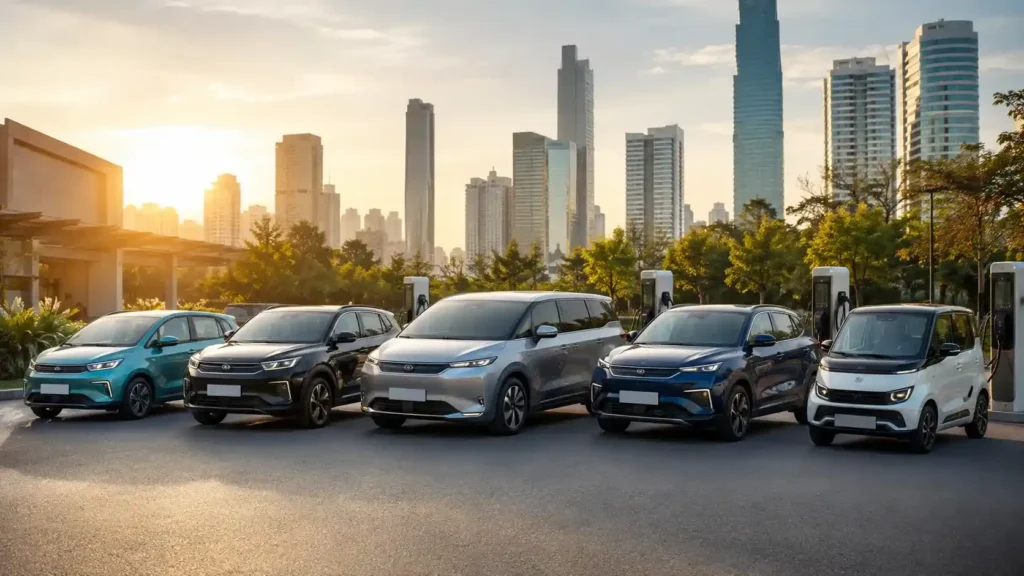
1. Tata Nexon EV
- Vehicle Overview: The Tata Nexon EV continues to be one of the strongest choices for buyers looking for an electric SUV under ₹20 lakh. It combines a modern design, comfortable cabin, strong safety credentials, and a practical driving range, making it suitable for both city use and weekend road trips.
- Price: Approx. ₹13 lakh – ₹18.5 lakh (ex-showroom)
- Battery: Available with Medium Range and Long Range battery options.
- Claimed Range: Up to 489 km (MIDC) depending on the variant.
- Expected Real-World Range:
- City: 330–420 km
- Highway: 280–360 km
- Charging:
- 7.2 kW AC home charger supported
- DC fast charging available
- 10–80% charging in approximately one hour using a compatible fast charger
- Power: Up to 106 kW (about 142 hp)
- Torque: 215 Nm
- Performance: The Nexon EV feels quick in urban traffic thanks to its instant torque. It accelerates smoothly, overtakes confidently, and remains stable on highways. Multiple regeneration levels also make one-pedal driving easier in city conditions.
- Interior: The cabin is modern and practical with:
- Comfortable front seats
- Premium dashboard finish
- Ventilated seats (selected variants)
- Rear AC vents
- Good rear-seat space
- Large boot for family luggage
- Technology: Highlights include:
- Large touchscreen infotainment
- Digital instrument cluster
- Wireless Android Auto & Apple CarPlay
- Connected car features
- OTA software updates
- Wireless phone charging
- Air purifier (variant dependent)
- ADAS: Currently limited, with the focus remaining on driver-assistance basics rather than full ADAS.
- Safety: Safety is one of the Nexon EV’s strongest points, offering:
- Six airbags (variant dependent)
- Electronic Stability Control
- Hill Hold Assist
- 360-degree camera
- TPMS
- ISOFIX child-seat anchors
- Strong crash-test reputation based on the Nexon platform
- Driving Experience: Ride quality is comfortable, and the suspension handles broken Indian roads well. Steering is light in city traffic but stable at higher speeds, making it suitable for both beginners and experienced drivers.
- Who Should Avoid: Buyers looking for luxury interiors or advanced Level 2 ADAS features.
- Overall Verdict: The Tata Nexon EV remains one of the safest and most practical electric SUVs in India. Its combination of usable range, modern features, and affordable ownership makes it our Best Overall EV Under ₹20 Lakh.
2. MG Windsor EV
- Vehicle Overview: The MG Windsor EV targets buyers who want a premium, spacious electric family car without exceeding the ₹20 lakh budget. Its comfortable cabin, advanced technology, and refined driving experience make it stand out.
- Price: Approx. ₹14 lakh – ₹18 lakh (ex-showroom, depending on variant and battery plan)
- Battery: Mid-size lithium-ion battery pack designed for urban and intercity driving.
- Claimed Range: Up to 330 km (claimed)
- Expected Real-World Range:
- City: 260–300 km
- Mixed driving: 230–280 km
- Charging:
- AC home charging support
- DC fast charging available
- Convenient overnight charging for home users
- Power: Around 100 kW
- Torque: Approximately 200 Nm
- Performance: The Windsor EV prioritizes smoothness over outright speed. Acceleration is linear, making it comfortable for family use and city commuting.
- Interior: One of the biggest highlights is its spacious cabin:
- Excellent rear-seat comfort
- Premium upholstery
- Flat floor for better legroom
- Large panoramic feel
- Practical storage spaces
- Technology: Features include:
- Large infotainment display
- Digital driver’s display
- Connected car technology
- Voice assistant
- Wireless smartphone connectivity
- Multiple USB charging ports
- ADAS: Available on higher variants, depending on the final specification.
- Safety:
- Six airbags (selected variants)
- ESC
- TPMS
- Rear parking camera
- Parking sensors
- ISOFIX child-seat mounts
- Driving Experience: The suspension is tuned for comfort, making rough roads easier to handle. Cabin insulation also keeps road noise well controlled.
- Who Should Avoid: Drivers who regularly travel long highway distances between charging stops.
- Overall Verdict: If interior comfort matters more than outright performance, the MG Windsor EV is among the most attractive family EVs currently available below ₹20 lakh.
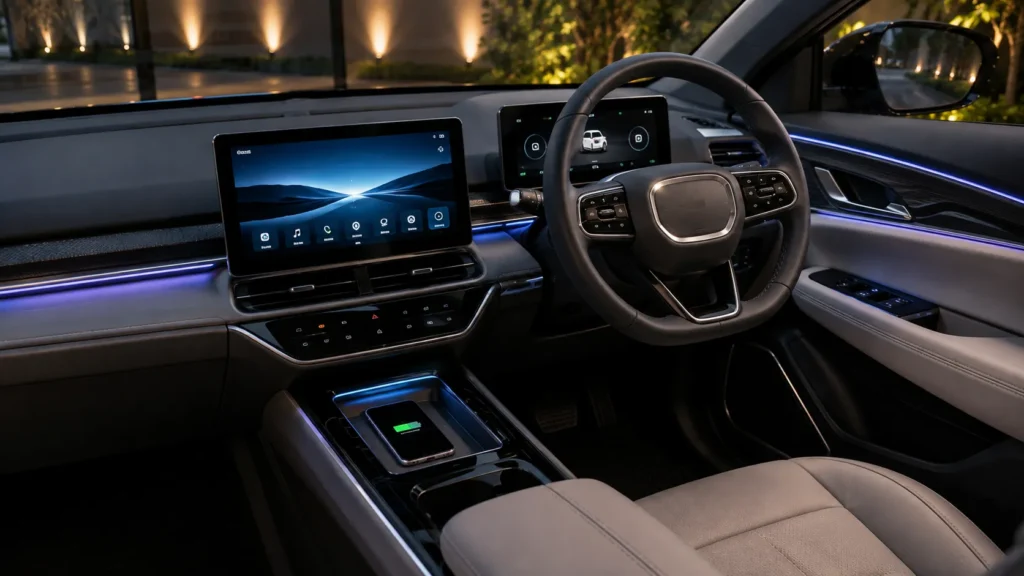
3. Tata Punch EV
- Vehicle Overview: The Tata Punch EV brings SUV-inspired styling into the affordable electric segment. Its compact dimensions make it ideal for urban driving, while the elevated seating position and practical features appeal to families and first-time buyers.
- Price: Approx. ₹10.99 lakh – ₹15.5 lakh (ex-showroom)
- Battery: Available with multiple battery options depending on the variant.
- Claimed Range: Up to 421 km (MIDC)
- Expected Real-World Range
- City: 280–340 km
- Highway: 240–300 km
- Charging:
- AC home charging
- DC fast charging on supported variants
- Convenient overnight home charging
- Power: Up to 90 kW (about 121 hp)
- Torque: 190 Nm
- Performance: The Punch EV feels responsive in city traffic with quick acceleration from a standstill. Its compact size makes it easy to drive through narrow streets and crowded parking areas.
- Interior: The cabin looks modern with:
- Large touchscreen infotainment
- Fully digital instrument cluster
- Automatic climate control
- Wireless smartphone charging (higher variants)
- Good headroom and visibility
- Technology:
- Connected car features
- Wireless Android Auto and Apple CarPlay
- Cruise control
- Multi-drive modes
- Regenerative braking settings
- ADAS: Not available, but it includes several active safety technologies.
- Safety: The Punch platform has earned a strong reputation for occupant protection, and the EV adds features such as:
- Six airbags (variant dependent)
- ESC
- Hill Hold Control
- TPMS
- 360-degree camera (higher variants)
- ISOFIX child-seat anchors
- Driving Experience: The raised driving position provides excellent visibility, while the suspension is well suited to Indian road conditions. Light steering and compact dimensions make the Punch EV one of the easiest electric SUVs to drive in cities.
- Who Should Avoid: Those who frequently travel with five adults and large luggage on long highway trips.
- Overall Verdict: The Tata Punch EV offers an impressive combination of affordability, safety, technology, and everyday usability. It is one of the best Budget Electric Cars in India and an excellent option for buyers looking for a compact electric SUV under ₹20 lakh.
4. Tata Tiago EV
- Vehicle Overview: The Tata Tiago EV is one of India’s most affordable electric cars and a great choice for buyers entering the EV market for the first time. It combines a familiar hatchback design with low running costs, decent driving range, and modern features. If most of your driving is within the city, the Tiago EV offers excellent value for money.
- Price: Approx. ₹8.5 lakh – ₹12.5 lakh (ex-showroom)
- Battery: Available with multiple battery pack options.
- Claimed Range: Up to 315 km (MIDC)
- Expected Real-World Range:
- City: 220–270 km
- Highway: 180–220 km
- Charging:
- 3.3 kW and 7.2 kW AC charging options
- DC fast charging available on supported variants
- 10–80% charge in about an hour using a DC fast charger
- Power: Up to 55 kW (about 74 hp)
- Torque: 114 Nm
- Performance: The Tiago EV is designed for smooth city driving. Instant torque makes traffic driving effortless, and the compact size helps in crowded urban areas.
- Interior:
- Comfortable front seats
- Automatic climate control
- Digital instrument cluster
- Good cabin quality
- Practical boot space for everyday use
- Technology:
- 10.25-inch touchscreen (higher variants)
- Wireless Android Auto & Apple CarPlay
- Connected car features
- Cruise control
- Regenerative braking modes
- ADAS: Not available.
- Safety:
- Dual airbags (higher variants may offer more)
- ABS with EBD
- ESC (variant dependent)
- Rear parking camera
- TPMS
- ISOFIX child-seat anchors
- Driving Experience: Light steering, compact dimensions, and quiet operation make the Tiago EV perfect for city commutes.
- Who Should Avoid: Buyers who frequently travel long highway distances.
- Overall Verdict: The Tata Tiago EV remains one of the Best Electric Cars Under ₹20 Lakh for budget-conscious buyers looking for dependable daily transportation.
5. MG Comet EV
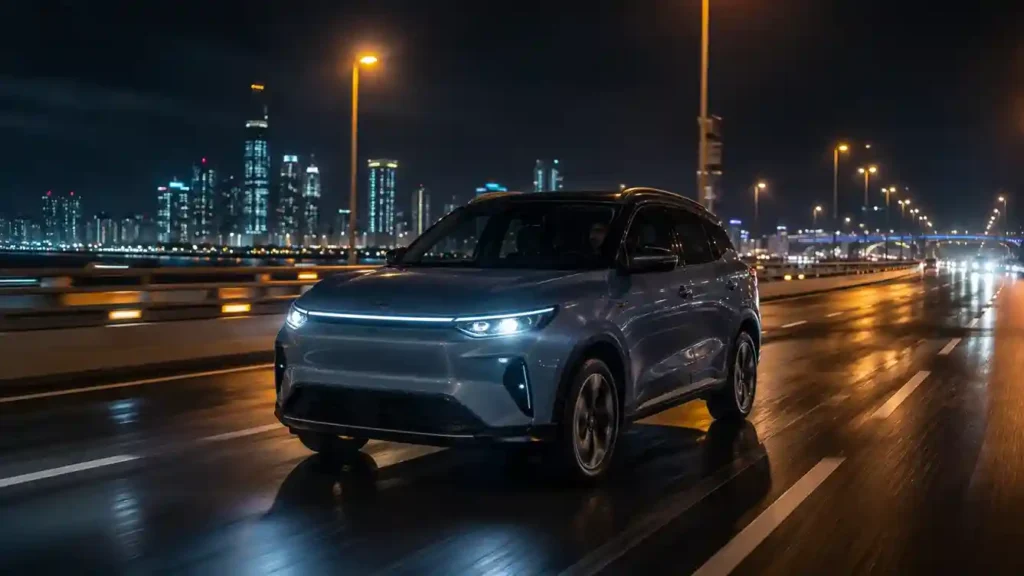
- Vehicle Overview: The MG Comet EV is India’s smallest passenger EV and is designed specifically for city life. While it isn’t suitable for frequent highway trips, it excels in congested urban traffic thanks to its tiny footprint and easy maneuverability.
- Price: Approx. ₹7.5 lakh – ₹10.5 lakh (ex-showroom)
- Battery: 17.3 kWh Lithium-ion Battery
- Claimed Range: Around 230 km
- Expected Real-World Range:
- City: 170–200 km
- Mixed: 150–180 km
- Charging:
- AC home charging
- Overnight charging suitable for daily use
- No DC fast charging
- Power: Approximately 31 kW (42 hp)
- Torque: 110 Nm
- Performance: Acceleration is smooth and responsive in city traffic, although performance is limited on highways.
- Interior: Despite its compact size, the cabin feels surprisingly modern with:
- Dual digital displays
- Premium dashboard design
- Four-seat layout
- Excellent outward visibility
- Technology:
- Dual 10.25-inch displays
- Wireless Android Auto & Apple CarPlay
- Connected car technology
- Voice commands
- Keyless entry
- ADAS: Not available.
- Safety:
- Dual airbags
- ABS with EBD
- Rear parking camera
- Reverse sensors
- Electronic Stability Control
- Driving Experience: The Comet EV is incredibly easy to park, highly efficient, and ideal for crowded city streets.
- Who Should Avoid: Large families or buyers needing regular highway capability.
- Overall Verdict: If nearly all your driving is inside the city, the MG Comet EV is one of the smartest Affordable EV Cars available today.
📌 Read more:
- Why Maruti Suzuki Victoris 2025 is a Smart & Perfect Choice
- Volvo EX30 2025 Review: Price, Range, Features & India Launch
- Volkswagen Tayron Review: A Premium 7-Seater SUV with Powerful Performance
- Volkswagen Taigun Review 2026 – Real Experience, Price & Worth Buying or Not?
- VinFast VF6 and VF7 – New Electric SUVs Launched in India
- Upcoming SUVs in India 2025: Amazing Tata, Renault & Nissan
Best EVs Under ₹20 Lakh in India 2026 Comparison Table
| Model | Price | Battery | Claimed Range | Power | Torque |
|---|---|---|---|---|---|
| Tata Nexon EV | ₹13–18.5L | Multiple | Up to 489 km | 106 kW | 215 Nm |
| Tata Punch EV | ₹10.99–15.5L | Multiple | Up to 421 km | 90 kW | 190 Nm |
| MG Windsor EV | ₹14–18L | Mid-size | Around 330 km | 100 kW | 200 Nm |
| Tata Tiago EV | ₹8.5–12.5L | Multiple | Up to 315 km | 55 kW | 114 Nm |
| MG Comet EV | ₹7.5–10.5L | 17.3 kWh | Around 230 km | 31 kW | 110 Nm |
📌 Discover more: Tata Harrier Stealth Edition & Tata Safari Stealth Edition
Electric Car Buying Guide
Choose the Right Battery Size
A larger battery usually means longer driving range but also increases the purchase price.
- Under 25 kWh: City use
- 30-40 kWh: Mixed driving
- Above 40 kWh: Frequent highway travel
Real-World Range Matters
Manufacturer-claimed figures are measured under test conditions. Expect 15-30% lower range in daily driving due to traffic, weather, speed, and air-conditioner usage.
AC vs DC Charging
- AC Charging:
- Best for home charging
- Lower cost
- Battery-friendly
- Overnight charging
- DC Fast Charging:
- Best during highway trips
- Charges much faster
- Widely available on highways and major cities
Home Charging
Most EV owners charge at home overnight. Consider:
- Dedicated parking space
- Proper electrical wiring
- Installation by the manufacturer’s approved technician
Public Charging
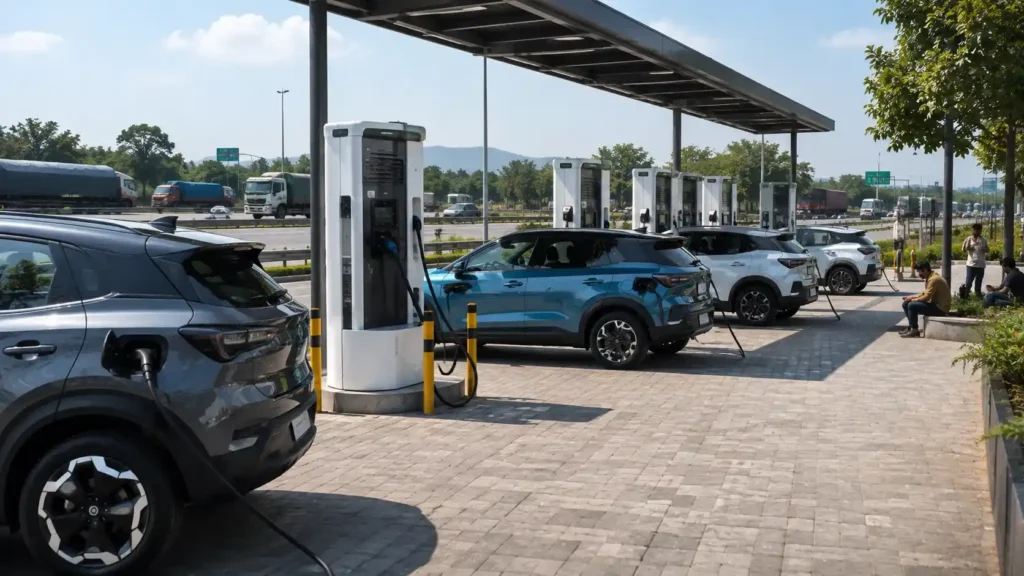
India’s charging network continues to expand across highways, shopping malls, office complexes, airports, hotels, and fuel stations. Before buying an EV, check charging availability around your city and regular travel routes.
Ground Clearance
Indian roads often include speed breakers and rough patches. Compact SUVs like the Tata Punch EV and Tata Nexon EV offer higher ground clearance than hatchbacks, making them better suited for diverse road conditions.
Battery Warranty
Most manufacturers now provide battery warranties of around 8 years or 1.6 lakh km (varies by brand and model). Always verify the latest warranty terms before purchase.
Service Network
Choose manufacturers with a strong dealership and service presence in your city. Reliable after-sales support is especially important for first-time EV buyers.
Connected Car Features
Modern EVs commonly include:
- Smartphone app control
- Remote climate control
- Live vehicle tracking
- Charging status monitoring
- OTA software updates
- Geo-fencing
- Vehicle health reports
ADAS
Some premium EV variants may include features such as:
- Adaptive Cruise Control
- Lane Keep Assist
- Forward Collision Warning
- Automatic Emergency Braking
- Blind Spot Monitoring
If you frequently drive on highways, these features can add convenience, but they should complement-not replace-safe driving habits.
Safety Rating
Always prioritize:
- Airbags
- Electronic Stability Control
- ABS with EBD
- ISOFIX mounts
- Strong crash-test performance from Bharat NCAP or Global NCAP where available
Running Costs
Lower running costs are one of the main benefits of owning an EV.
- Typical electricity cost:
- Around ₹1-2 per km, depending on local electricity tariffs and vehicle efficiency.
- Petrol cars:
- Usually ₹6-9 per km, depending on fuel prices and mileage.
Maintenance Costs:
Electric cars have:
- No engine oil changes
- No clutch replacement
- No exhaust system
- Fewer moving parts
- Reduced brake wear due to regenerative braking
This generally results in lower scheduled maintenance costs compared with petrol vehicles.
📌 Discover more: EV vs Petrol Cars in India: Which Saves More Money in 2026?
Annual Running Cost Comparison
Estimated annual driving: 15,000 km
| Expense | Electric Car | Petrol Car |
|---|---|---|
| Energy/Fuel | ₹18,000-30,000 | ₹90,000-1,10,000 |
| Routine Maintenance | ₹5,000-10,000 | ₹12,000-20,000 |
| Total Annual Cost | ₹23,000-40,000 | ₹1,02,000-1,30,000 |
Note: Actual ownership costs vary depending on electricity tariffs, driving style, service schedules, insurance, and local fuel prices.
Home Charging Guide
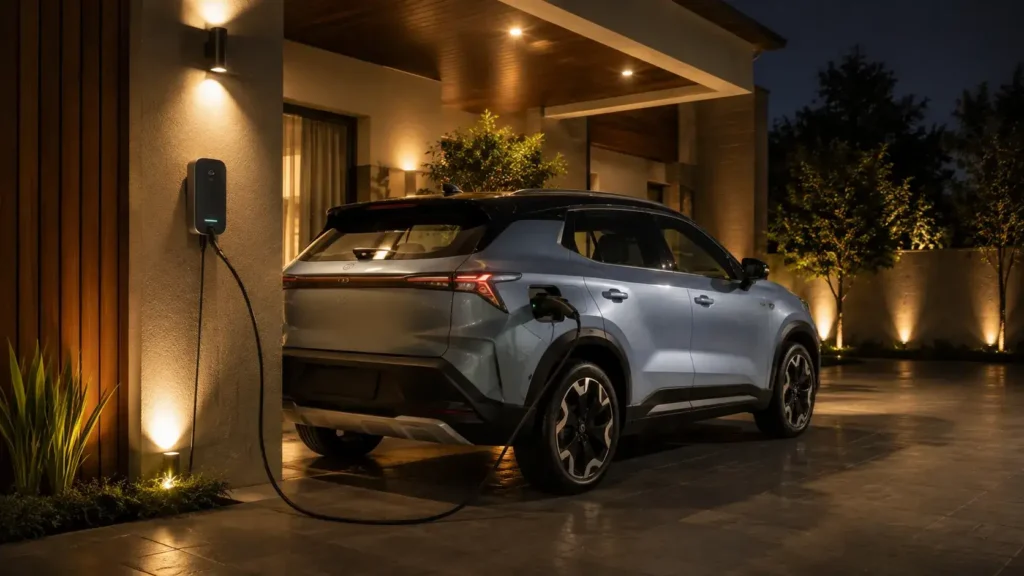
7.2 kW Home Charger
Best for:
- Daily commuters
- Overnight charging
- Independent houses
- Regular family use
Most owners find this the ideal balance between charging speed and installation cost.
11 kW Charger
Suitable for:
- Larger battery EVs
- Multi-EV households
- Users needing quicker home charging (subject to vehicle compatibility and electrical infrastructure)
DC Fast Charging
Ideal for:
- Highway travel
- Long-distance vacations
- Emergency top-ups
Frequent fast charging is convenient, but routine home AC charging is generally recommended for day-to-day use.
Apartment Charging
Before purchasing an EV:
- Confirm dedicated parking availability.
- Discuss charger installation with your housing society or property manager.
- Ensure proper electrical load and safety compliance.
- Use only manufacturer-approved charging equipment.
Public Charging Tips
- Plan charging stops before long trips.
- Use reliable charging apps to locate stations.
- Avoid arriving with an almost empty battery whenever possible.
- Follow station instructions and payment methods.
Charging Etiquette
- Move your vehicle once charging is complete.
- Do not unplug another person’s vehicle.
- Park only while actively charging.
- Keep charging cables tidy and undamaged.
- Report faulty chargers through the network operator’s app or support channel.
📌 Read more:
- 2025 Hyundai Aura SX: Ultimate Review of Features & Mileage
- Best EVs Under ₹20 Lakh in India 2026: Top Budget EV Cars
- Big Savings: Toyota Cars Get Cheaper in India After GST 2.0
- BMW X6 M60i xDrive Launched in India: Price, Features, V8 Performance & Full Review
- EV vs Petrol Cars in India: Which Saves More Money in 2026?
- EVs Under ₹20 Lakh Comparison, Top Electric SUVs Feature, Price & Range
Frequently Asked Questions
Q1. Which is the best EV under ₹20 lakh in India (2026)?
A1. The Tata Nexon EV remains one of the best all-round choices thanks to its practical driving range, strong safety package, feature-rich cabin, and extensive service network. Buyers looking for overall value will find it hard to beat.
Q2. Which electric car offers the longest range under ₹20 lakh?
A2. Among mainstream options, the Tata Nexon EV Long Range offers one of the highest claimed driving ranges. However, real-world range depends on driving style, speed, weather, terrain, and air-conditioner usage.
Q3.Which EV is best for city driving?
A3. The MG Comet EV is ideal for urban driving because of its compact size, excellent maneuverability, and low running costs. The Tata Tiago EV is another excellent option for buyers needing more practicality.
Q4. Is buying an EV in India worth it in 2026?
A4. Yes. If you drive regularly and have access to home or workplace charging, an EV can significantly reduce fuel and maintenance expenses. Improved charging infrastructure and better battery technology also make EV ownership more practical than ever.
Q5. How much does it cost to fully charge an electric car?
A5. Charging costs depend on your local electricity tariff and battery size. For most budget EVs, a full home charge typically costs around ₹250–₹500, making it much cheaper than filling a petrol tank.
Q6. Can I install an EV charger at home?
A6. Yes. Most manufacturers provide or recommend compatible home chargers. If you have dedicated parking and a suitable electrical connection, installation is usually straightforward. Apartment residents should check with their housing society before installation.
Q7. How long do EV batteries last?
A7. Most manufacturers provide a battery warranty of around 8 years or up to 1.6 lakh km (depending on the brand and model). With proper care, modern lithium-ion batteries are designed to retain usable capacity well beyond the warranty period.
Q8. Are electric cars safe during heavy rain?
A8. Yes. Modern electric cars are engineered with sealed battery packs and high-voltage safety systems. They are tested to operate safely in wet weather when used according to the manufacturer’s guidelines. Drivers should still avoid driving through deep floodwater, just as they would with any vehicle.
Q9. Do EVs require less maintenance than petrol cars?
A9. Generally, yes. Electric cars have fewer moving parts and do not require engine oil changes, spark plugs, or exhaust system maintenance. Regular servicing still includes inspections of brakes, tires, suspension, coolant (where applicable), and software updates.
Q10. Which EV is best for families?
A10. The MG Windsor EV stands out for its spacious cabin and comfort, while the Tata Nexon EV offers an excellent mix of safety, practicality, and versatility for family use.
Q11. Which EV is best for highway driving?
A11. The Tata Nexon EV Long Range is one of the strongest choices for highway travel because of its higher battery capacity, practical real-world range, and DC fast-charging capability. Planning charging stops in advance is still recommended for longer journeys.
Q12. Does fast charging damage the battery?
A12. Occasional DC fast charging is part of normal EV use. However, relying on AC home charging for everyday needs is generally recommended, as it places less stress on the battery over time.
Q13. What should first-time EV buyers consider before purchasing?
A13. Key factors include:
- Daily driving distance
- Access to home charging
- Real-world driving range
- Warranty coverage
- Service network
- Safety features
- Total ownership cost
- Public charging availability along regular routes
Q14. Which is the best budget electric car under ₹10 lakh?
A14. The MG Comet EV and Tata Tiago EV are among the strongest choices for buyers seeking an affordable electric car with low running costs and practical features.
Final Verdict
Electric cars have evolved rapidly over the past few years, and in 2026, buyers under the ₹20 lakh budget have more compelling options than ever before. Better battery technology, expanding charging infrastructure, lower maintenance costs, and improved feature lists have made EVs a practical alternative to conventional petrol and diesel cars.
If you’re looking for the best overall electric SUV, the Tata Nexon EV remains our top recommendation. It strikes an excellent balance between driving range, performance, safety, comfort, and long-term ownership value, making it suitable for both city commutes and weekend road trips.
For families, the MG Windsor EV offers a spacious cabin, premium features, and a comfortable ride, making it an appealing option for everyday use. Buyers who prefer the higher seating position and compact dimensions of an SUV should consider the Tata Punch EV, which combines practicality with modern technology and strong safety credentials.
If your driving is mainly within the city and budget is your priority, the Tata Tiago EV delivers outstanding value with low running costs and enough range for daily commuting. For those navigating crowded urban streets and tight parking spaces, the MG Comet EV is a smart, efficient, and easy-to-drive city companion.
Ultimately, the best EV depends on your lifestyle rather than just specifications. Think about your daily driving distance, charging options at home or work, passenger needs, and long-term ownership costs before making a decision. A slightly higher upfront investment in the right electric car can lead to significant savings over time while offering a quieter, smoother, and more environmentally friendly driving experience.
Whether you’re a student, an office commuter, a growing family, or a technology enthusiast, there is now an electric car under ₹20 lakh that can meet your needs without compromising on safety, comfort, or convenience.
Comparison at a Glance
| Buyer Type | Recommended EV |
|---|---|
| First-Time Buyer | Tata Tiago EV |
| Best Overall | Tata Nexon EV |
| Best Family EV | MG Windsor EV |
| Best SUV | Tata Punch EV |
| Best City Car | MG Comet EV |
| Best Highway Choice | Tata Nexon EV Long Range |
| Best Budget EV | Tata Tiago EV |
| Best Technology | MG Windsor EV |
Disclaimer: Product prices, features, and specifications mentioned on this website may change without notice. Please check the official brand website or trusted retailers for the latest updates before making any purchase.
Related Posts
- Tata Aeris 2026 Price, Specifications, Features, Variants and Mileage
- Mahindra XUV 3XO REVX EDGE Launched: Price, Features & Specs
- Tata Sierra Legend Series Launched: Price, Features and Variants
- Mahindra Thar Facelift 2026: Price, Features, Specifications and What’s New

- Tesla Cybercab Robotaxi Launches in Austin: Price, Features & How It Works
- Kia Sorento 2026 Price, Features, Specifications and Launch Detail
- Toyota Hilux 2026 Review, Price, Features, Performance & Should You Buy It?
- EVs Under ₹20 Lakh Comparison, Top Electric SUVs Feature, Price & Range
Laptop Lava Mahindra OnePlus Oppo Samsung Skoda Tata Tecno Vivo Volkswagen Xiaomi
Latest Bike
- Jawa 42 All Stars Launched in India: Price, Specs & Features

- Electric Bike vs Petrol Bike: Pros, Cons & Ownership Cost 2026
- Tesla Balance Bike for Kids: Price, Features, Specifications & Why It Sold Out Instantly
- Yamaha Aerox E Price, Range, Features, Specifications & Review
- Revolt RVX Review 2026: Price, Range, Specifications, Features & Is It Worth Buying?

Aman is a content writer specializing in technology and automobile topics, including smartphones, gadgets, car reviews, and electric vehicles. He creates clear and informative articles that help readers understand the latest updates, features, and trends in a simple and reliable way.